How to Get Started with DJing: A Guide for Beginners


Understanding the Basics of DJing
DJing is an exciting and creative hobby that allows you to share your love of music with others. Before diving in, it's essential to understand the basics. At its core, DJing involves mixing tracks to create a seamless flow of music. This requires a good ear for rhythm, a basic understanding of music theory, and a passion for experimentation.
Getting started with DJing doesn’t have to be expensive. Beginners can start with minimal equipment and gradually invest in more advanced gear as they improve. The key is to start small and focus on honing your skills.
Choosing Your Equipment
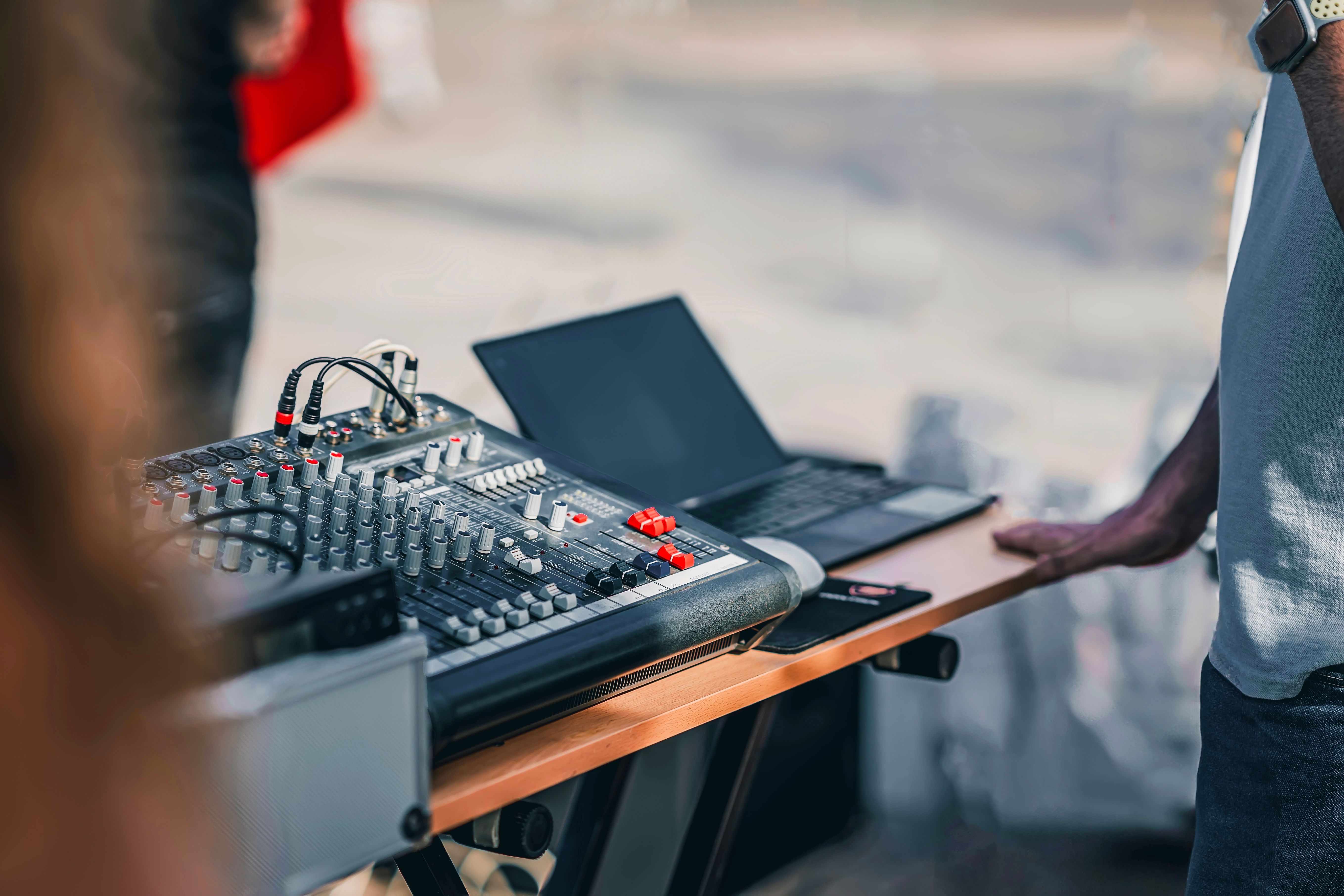
When starting out, you'll need some basic equipment. This includes a DJ controller or turntables, a mixer, headphones, and speakers. A DJ controller is often the best choice for beginners due to its user-friendly interface and compatibility with DJ software. Consider brands like Pioneer or Numark, known for their reliability and quality.
Invest in a good pair of headphones, as they are crucial for cueing and beatmatching. They should be comfortable and provide excellent sound isolation. Lastly, a decent set of speakers will help you practice your mixes and perform live. As you progress, you may want to explore additional gear like effects units and samplers.
Understanding DJ Software
DJ software is an integral part of modern DJing. Popular options include Serato DJ, Virtual DJ, and Traktor. These programs allow you to organize your music library, set cue points, and apply effects. Take time to explore different software options and choose one that fits your style and needs.
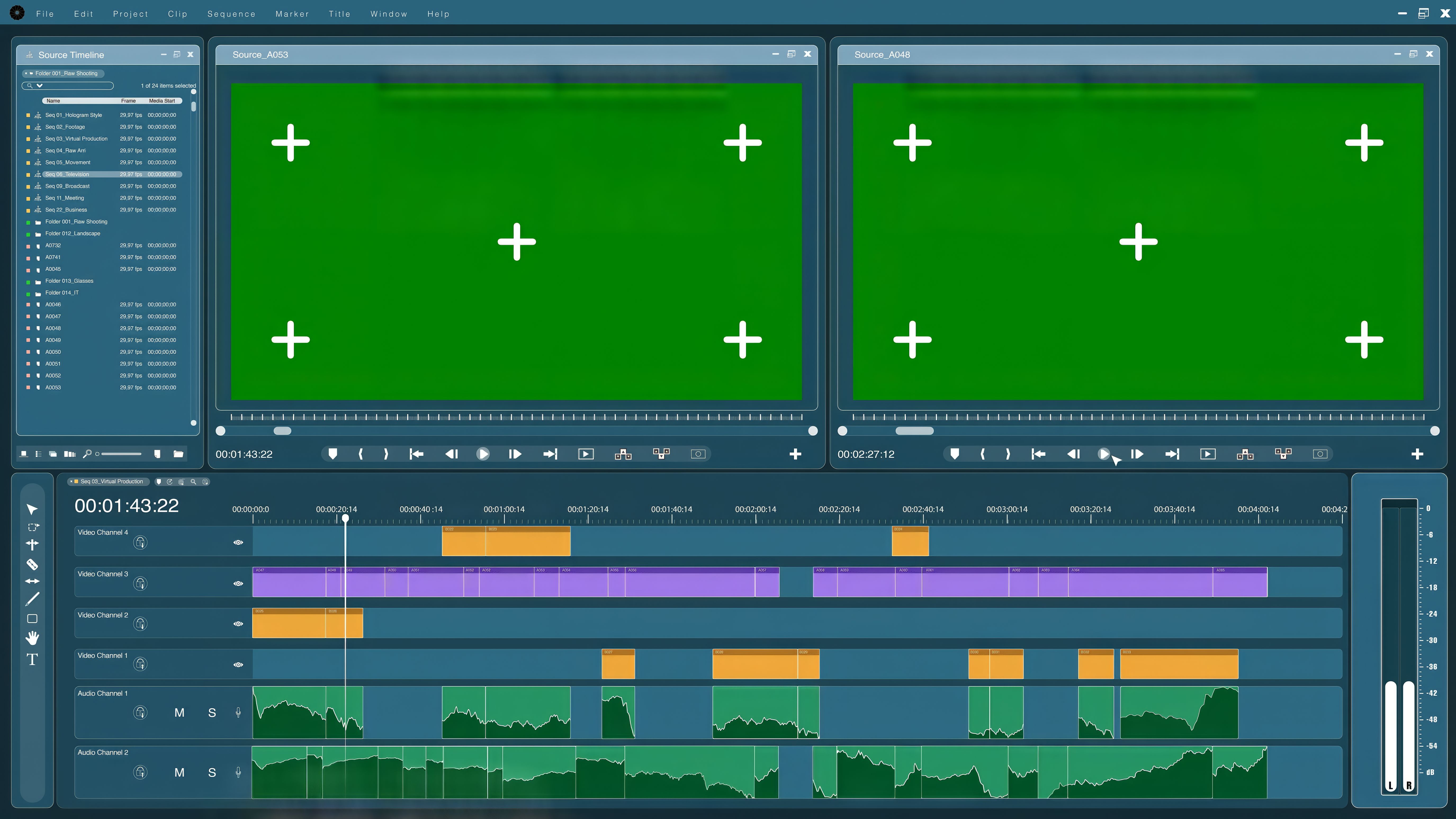
Most DJ software offers tutorials and online resources to help you get started. Spend time learning the interface and experimenting with its features. Understanding your software will significantly enhance your ability to mix tracks creatively.
Learning the Art of Beatmatching
Beatmatching is a fundamental skill for any DJ. It involves aligning the tempo and beats of two tracks so they play in sync. This creates a seamless transition between songs, keeping the energy on the dance floor high. Practice beatmatching by ear, as relying solely on software can limit your growth as a DJ.
Start by choosing tracks with similar tempos and practice mixing them. As you improve, challenge yourself with more complex transitions. Beatmatching by ear takes time to master, but it's a rewarding skill that sets great DJs apart.
Building Your Music Library
A diverse music library is essential for any DJ. Begin by collecting tracks from genres you love, but don’t be afraid to explore new styles. Online platforms like Beatport, Bandcamp, and SoundCloud are excellent resources for discovering new music.
Organize your library effectively by creating playlists and categorizing tracks by genre, mood, or energy level. This will make it easier to find the right track during your sets and ensure smooth transitions.
Practicing and Performing
Practice is crucial to becoming a skilled DJ. Set aside regular time to practice mixing, beatmatching, and experimenting with effects. Record your sessions to evaluate your progress and identify areas for improvement.
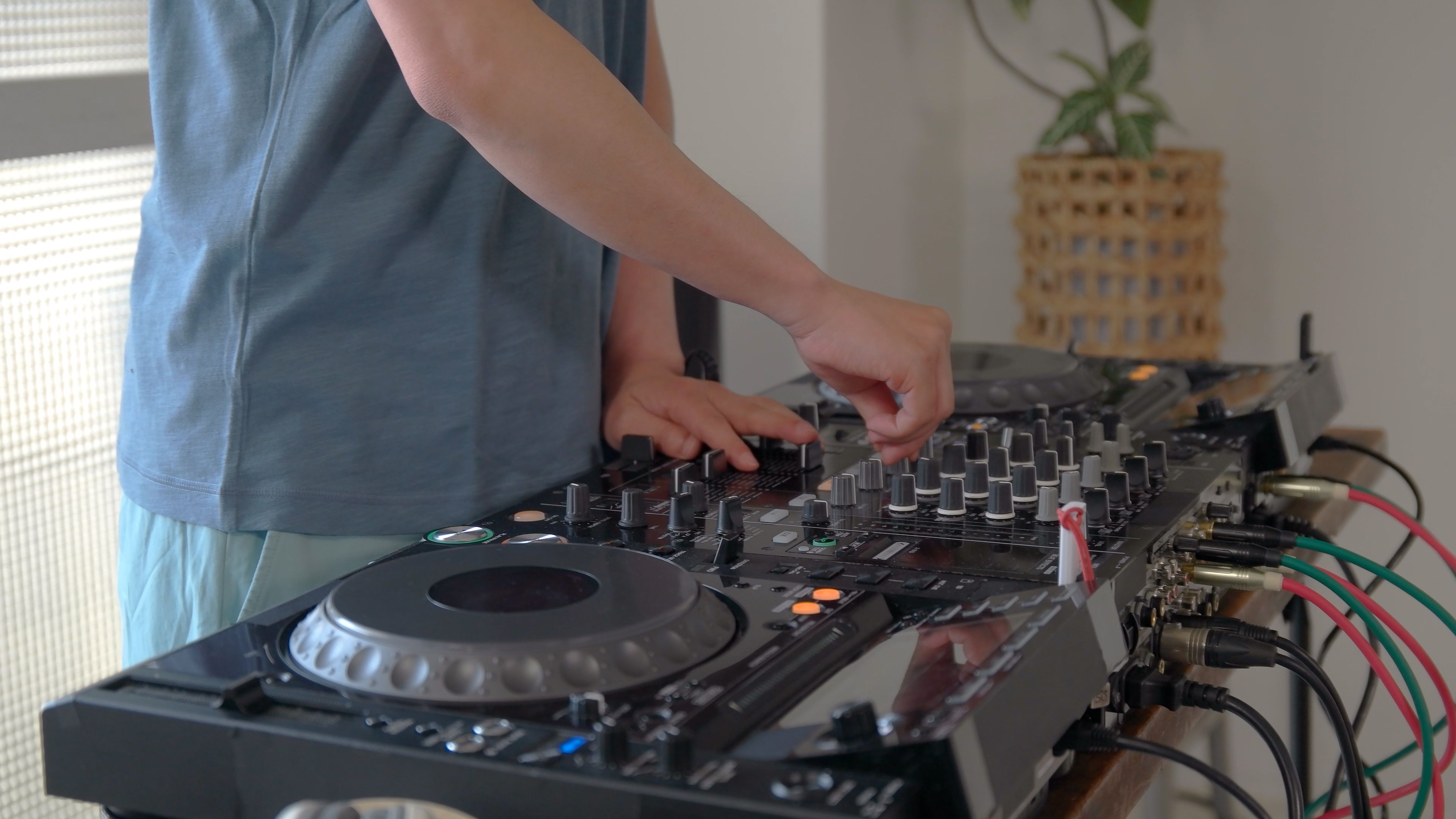
Once you feel confident, consider performing at small events or parties. This experience will help you develop your style and gain valuable feedback from a live audience. Remember, every DJ started as a beginner, so embrace the journey and enjoy the music.