Mixing and Mastering: Elevate Your Tracks with Professional Techniques


Understanding the Basics of Mixing and Mastering
Mixing and mastering are crucial stages in the music production process. These techniques can significantly elevate the quality of your tracks, transforming raw recordings into polished, professional-sounding pieces. While mixing involves balancing individual elements like vocals and instruments, mastering is about enhancing the overall sound of the track.
Mixing is all about creating harmony between different audio elements. It involves adjusting levels, panning sounds, and applying effects to ensure each component complements the others. Mastering, on the other hand, focuses on refining the finished mix, ensuring it sounds great across all playback systems.

Essential Mixing Techniques
The mixing stage is where creativity meets technical skill. One of the first steps is to ensure that each track is heard clearly without clashing with others. This often involves using equalization (EQ) to shape the frequency content of each element. By cutting unnecessary frequencies, you can create space for other sounds.
Another key technique is compression, which helps control the dynamic range of your tracks. This means making quieter sounds more audible and taming louder elements to fit the mix better. Additionally, applying reverb and delay can add depth and dimension to your music, making it feel more immersive.
Mastering Your Tracks
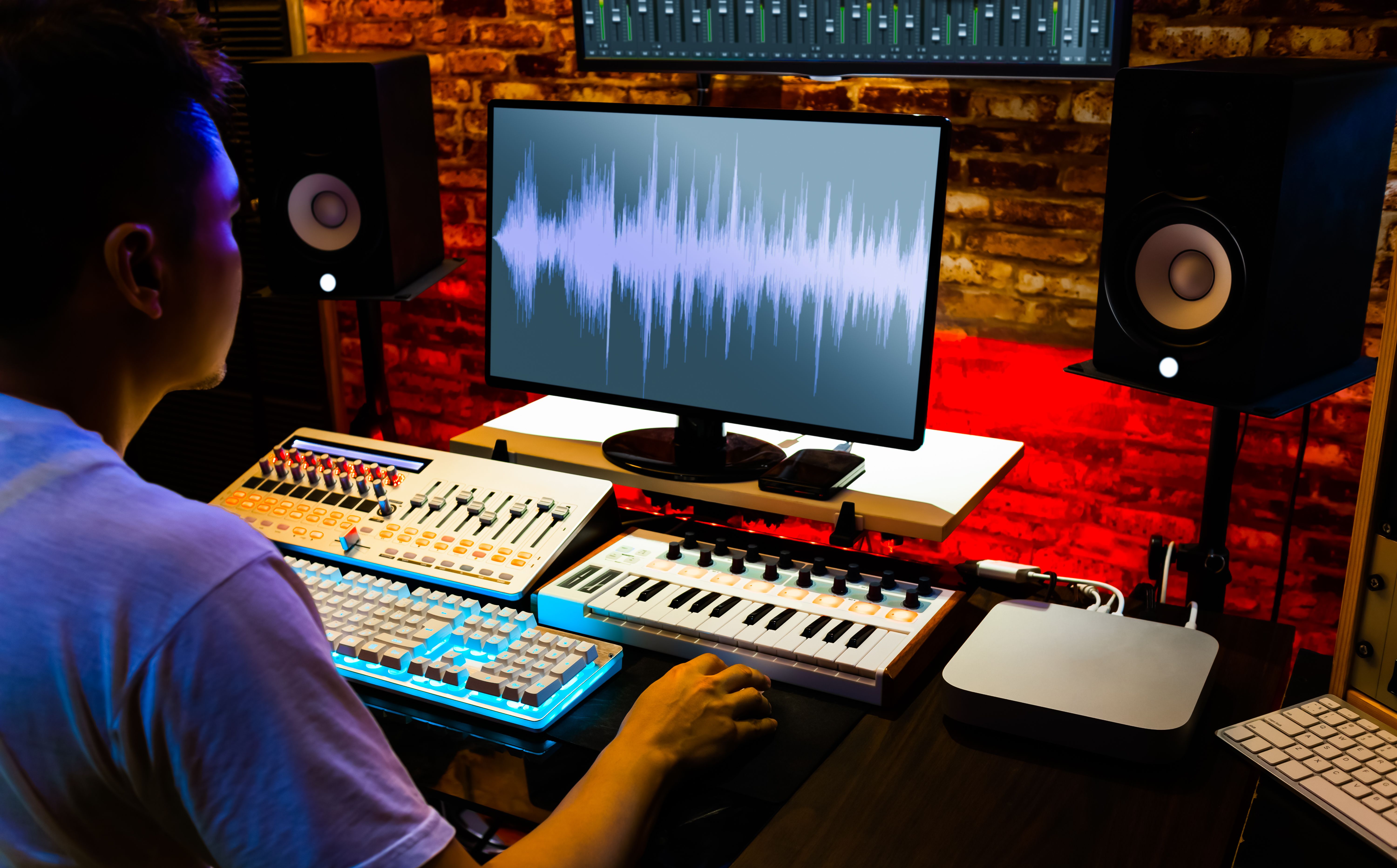
Once the mix is complete, mastering is the final step to ensure your track is ready for distribution. This process involves fine-tuning the overall sound, adjusting levels, and applying final EQ. Mastering also includes limiting, which prevents distortion by controlling the peaks of your audio signal.
One important aspect of mastering is ensuring consistency across an entire album or EP. This means that each track should have a similar loudness and tonal balance, providing a cohesive listening experience.
Tools and Software
When it comes to mixing and mastering, having the right tools is essential. Digital Audio Workstations (DAWs) like Pro Tools, Ableton Live, and Logic Pro are popular choices among professionals. These platforms offer a range of plugins for EQ, compression, reverb, and more.
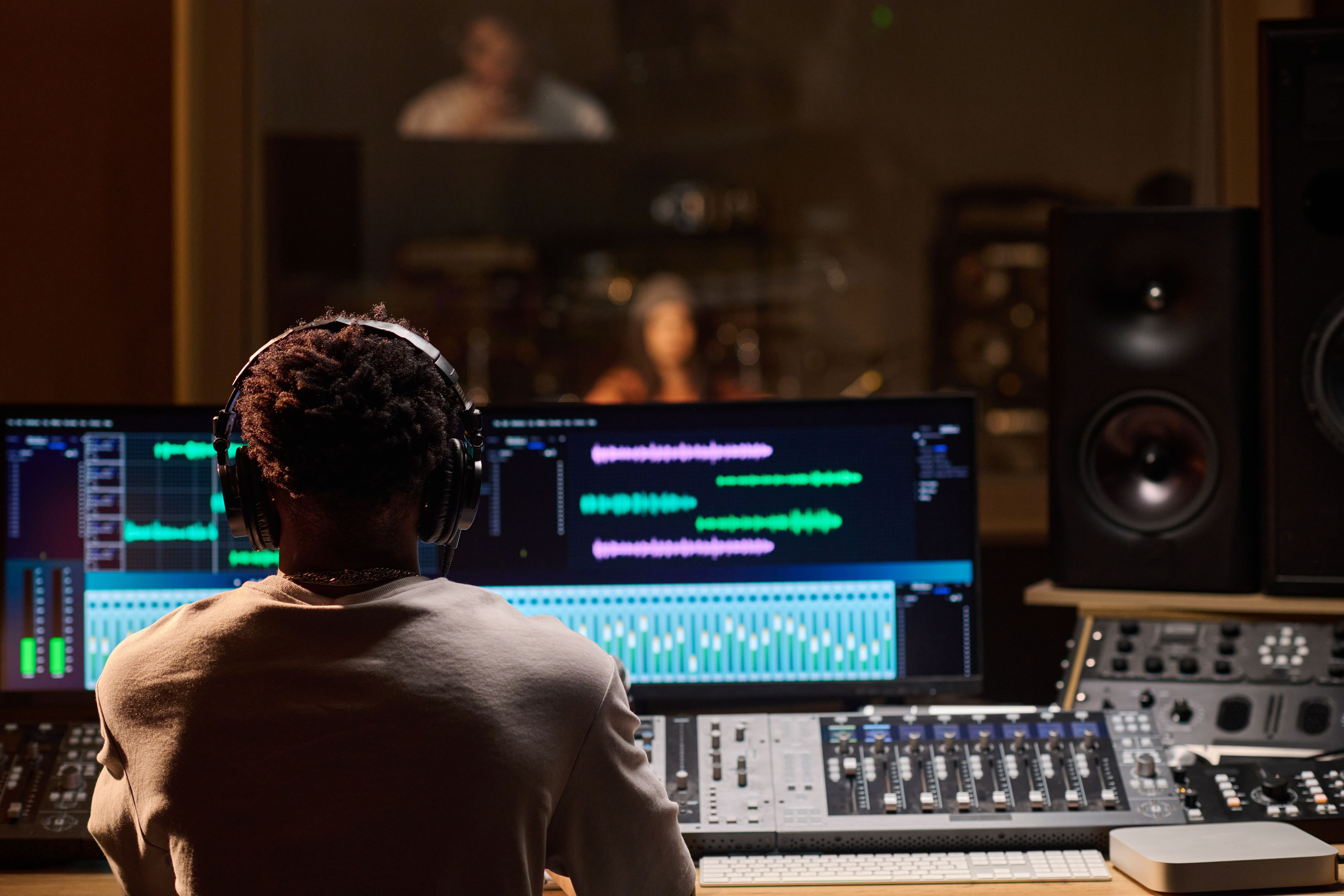
There are also dedicated mastering plugins, like iZotope Ozone, that provide comprehensive tools for the final touches. These plugins offer advanced capabilities for stereo imaging, dynamic EQ, and more, helping you achieve a polished sound.
Hiring a Professional
While many musicians choose to mix and master their tracks independently, hiring a professional can be beneficial, especially for those who lack experience. Professionals bring a trained ear and years of expertise, ensuring your music reaches its full potential.
Working with a skilled engineer can also provide fresh insights and creative ideas, enhancing your music in ways you might not have anticipated. This investment can make a significant difference in the quality of your final product.
Conclusion
Mixing and mastering are essential steps in producing high-quality music. By understanding these processes and utilizing the right techniques, you can significantly enhance the sound of your tracks. Whether you decide to handle these tasks yourself or hire a professional, the result will be well worth the effort.
Remember, the key to great mixing and mastering lies in practice and attention to detail. Keep experimenting with different techniques and tools to find what works best for your style and sound.